Most people exercise to look better, feel stronger, or lose weight. What they don't realize is that every workout is also a brain upgrade. The neurological benefits of regular physical activity are among the most well-documented findings in modern medicine, and they extend far beyond the gym.
Research consistently shows that consistent moderate-to-vigorous physical activity improves executive function, memory, processing speed, attention, and academic performance. More striking still: it reduces the risk of cognitive impairment and dementia. These effects appear both acutely (after a single workout session) and chronically, with sustained participation over months and years. They've been observed across healthy individuals and those living with chronic brain disorders. (Powell et al., 2018; Erickson et al., 2019; Dauwan et al., 2021)
What's Actually Happening Inside Your Brain
Exercise doesn't just make you feel better. It physically changes the structure and chemistry of your brain through four key mechanisms:
Neurogenesis is the growth and development of new brain connections and neural tissue. Exercise literally grows your brain, particularly in the hippocampus, the region critical for memory and learning.
Synaptic plasticity refers to how easily connections form between neurons. Exercise makes those connections faster, more efficient, and more resilient. This means information travels more easily across your brain's network.
Angiogenesis is the formation of new blood vessels. Your enhanced brain connections need fuel, and exercise builds the vascular infrastructure to deliver it.
Neurotrophic factors, particularly brain-derived neurotrophic factor (BDNF), are proteins that support the survival and growth of neurons. Exercise reliably increases BDNF levels, which is one reason it's sometimes described as "Miracle-Gro for the brain." (Augusto-Oliveira et al., 2023; de Sousa Fernandes et al., 2020; Chen & Nakagawa, 2023)
"Exercise reliably increases BDNF, a protein that supports neuron survival and growth. It's sometimes described as Miracle-Gro for the brain."
Beyond these structural changes, exercise also reduces neuroinflammation and oxidative stress, modulates neurotransmitter systems including dopamine and serotonin, and improves cerebral blood flow, all of which contributes directly to brain health and mood. (Augusto-Oliveira et al., 2023; Pedersen, 2019)
In people living with chronic brain disorders, exercise has demonstrated small but significant improvements in attention, working memory, executive function, and psychomotor speed in addition to moderate-to-large effects on mood and quality of life. (Dauwan et al., 2021)
How Much Exercise Does Your Brain Actually Need?
The American College of Sports Medicine recommends regular moderate-to-vigorous intensity physical activity for cognitive and neurological health. The optimal dose isn't rigidly defined, it varies from person to person, but the evidence strongly supports that some consistent activity is far better than none.
The key word is consistent. A single workout produces measurable acute effects. But the most significant benefits - reduced dementia risk, lasting cognitive improvements, mood regulation - emerge from sustained habits built over weeks and months.
The Real Barrier Isn't Knowledge. It's Getting Started.
Here's the uncomfortable truth most health articles skip over: knowing that exercise is good for your brain doesn't make it easier to do. The gap between intention and action is where most people get stuck.
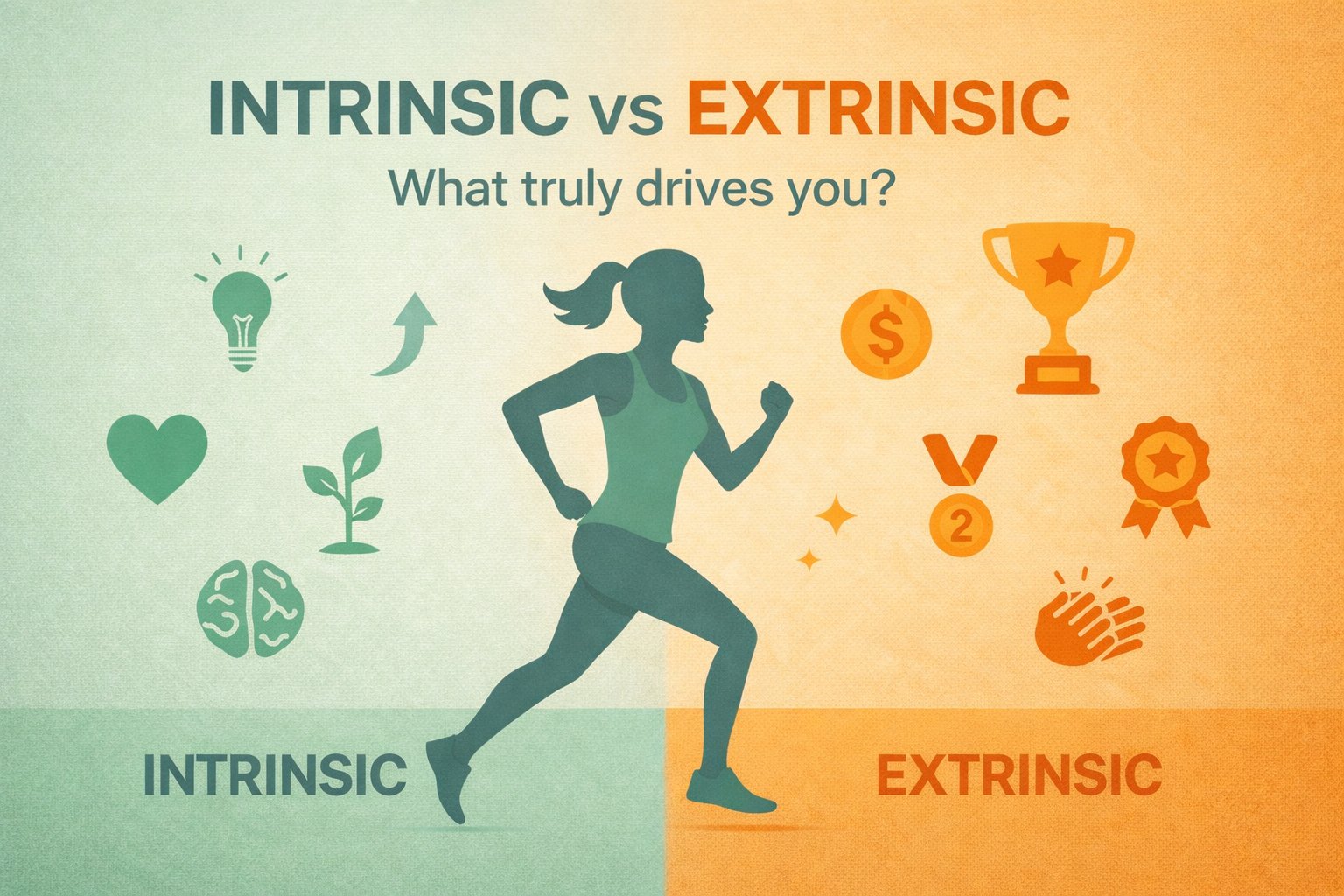
That's precisely what PayBack Fitness is built to address. By combining real financial stakes with group accountability and weekly rewards, it creates the external structure that makes showing up more likely. This is true especially in the early weeks, before the intrinsic rewards of exercise kick in naturally.
Your brain is worth the investment. And sometimes, getting started is simply a matter of having the right system in place.
Ready to give your brain and your body the consistency they deserve?
Join PayBack Fitness →