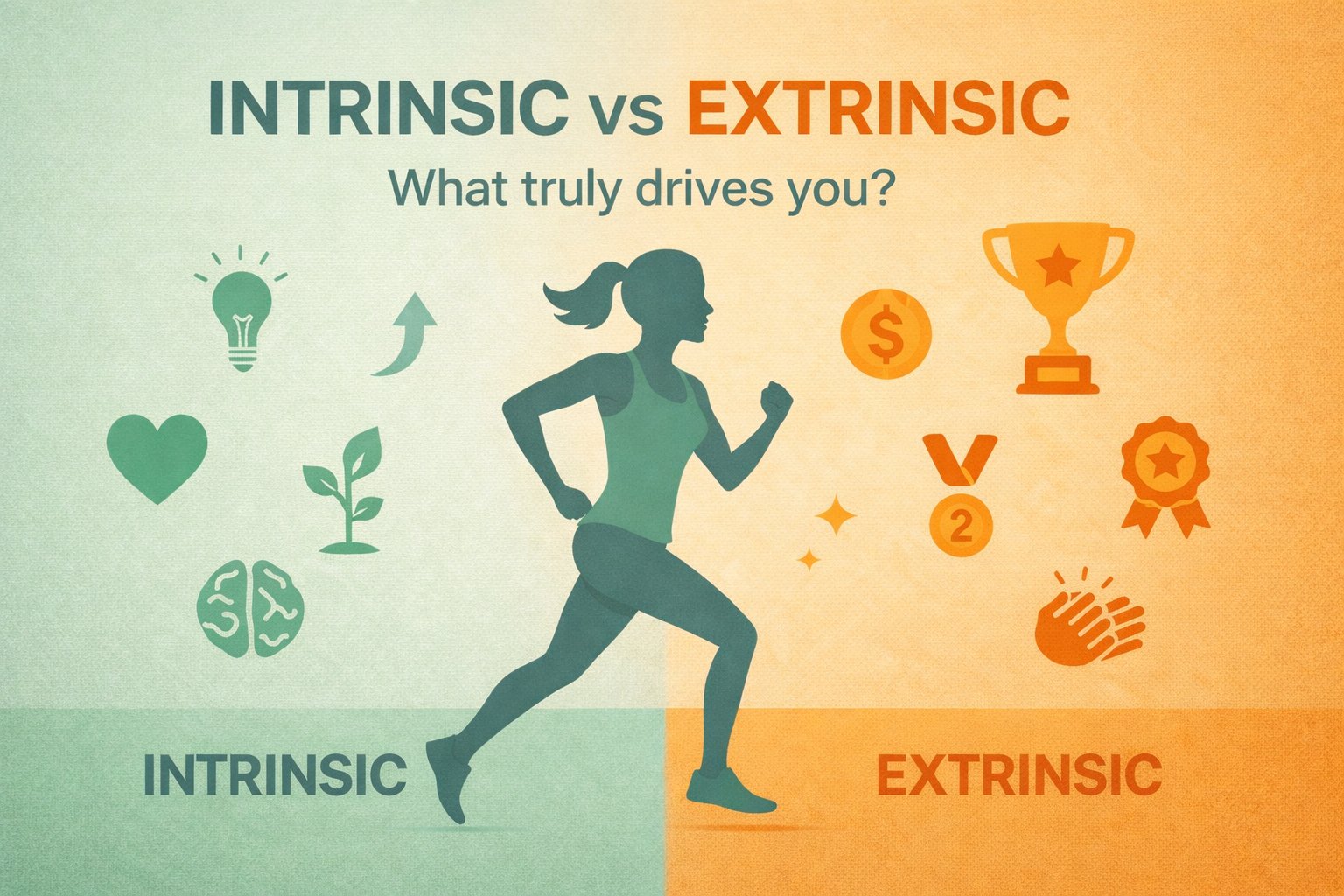
For many high-level athletes, physical activity was once inseparable from their identity. Their lives revolved around structured training, competition, and the pursuit of peak performance. But when the whistle blows for the final time, whether due to age, injury, or life transitions, many former athletes find themselves in unfamiliar territory.
Without the pressure of a team, a coach, or a championship on the line, staying motivated to remain physically active can become a serious challenge. The irony is profound: the people with arguably the best foundation for lifelong fitness are among the most likely to struggle with it after their competitive careers end.
Why the Transition Is Harder Than It Looks
This loss of structure and purpose is often at the heart of the struggle. As competitors, athletes had clear goals, external accountability, and a built-in routine. After retirement, these systems disappear and what was once second nature can begin to feel pointless or even overwhelming.
Compounding this is a shift in expectations. Many ex-athletes compare their current abilities to their former peak, creating a painful gap that leads to frustration, avoidance, and a significant drop in self-esteem. The "all-or-nothing" mindset that served them well in competition becomes a liability when the bar for "enough" is set at elite performance.
"The fire may dim, but it never goes out. With the right spark, it can burn bright again."
Five Steps Toward a New Fitness Identity
The competitive chapter may be closed, but the story of movement and health doesn't have to end. Former athletes carry a powerful foundation: years of discipline, body awareness, and mental toughness. The key is redirecting those assets toward a new purpose.
Redefine the "Why"
Shift the focus from competition to longevity, mental clarity, or being a role model for others. Finding a deeper internal motivation, beyond medals and records, can spark lasting engagement.
Start Small, Stay Consistent
Many athletes struggle with the all-or-nothing mindset; if they're not training hard, it feels pointless. But sustainable fitness comes from consistency, not intensity. Even 15 minutes a day can reignite momentum.
Set New Goals
These don't need to be Olympic-level. Weekly fitness goals with clear stakes (like those built into PayBack Fitness) are particularly well-suited to this mindset. Each PF Point staked (worth $1, redeemable as a gift card) recreates the meaningful stakes that made competition compelling.
Find a Community
Team environments have always driven athletic performance. Former athletes benefit enormously from finding new communities: fitness classes, recreational leagues, or group-based accountability challenges like PayBack Fitness.
Embrace the New Identity
It's okay to miss the glory days. But former athletes can write a new narrative - one where being strong, healthy, and active serves a different, but equally meaningful, purpose.
Why Structure Matters More After Competition
Elite athletes don't have more willpower than the rest of us. They have better systems. Coaches, schedules, teammates, consequences for missing training; these aren't luxuries. They're the architecture that makes elite behavior possible.
When that architecture disappears, behavior changes. That's not weakness, it's physics. And the solution isn't to summon more willpower. It's to rebuild the structure.
PayBack Fitness recreates the elements that made athletic training work: clear weekly goals, real stakes, group accountability, and immediate rewards for showing up. The fire may dim, but it never goes out. Sometimes it just needs the right spark.
Ready to rebuild the structure that made you great? PayBack Fitness gives former athletes a system worth competing in.
Start Your Next Block →