Every January, millions of people make the same promise to themselves: This is the year I finally stick with it.
They buy gym memberships. They download fitness apps. They swear this time will be different.
And yet, by February, most of those resolutions quietly fade. This isn't a motivation problem. It's a system problem.
January Isn't the Problem. February Is.
January is easy. Life resets. The calendar turns. Motivation is high. Social pressure is everywhere. Even the gym feels supportive when everyone else is "starting fresh" too.
But then reality returns. Work deadlines pile up. Kids get sick. Travel disrupts routines. Motivation drops, as it always does, and suddenly the habit requires effort instead of excitement. This is the moment most resolutions quietly fail. Not with a dramatic collapse, but with a gradual fade.
It's not because people don't care. It's because the structure supporting them disappears.
Motivation Is Temporary. Habits Are Not.
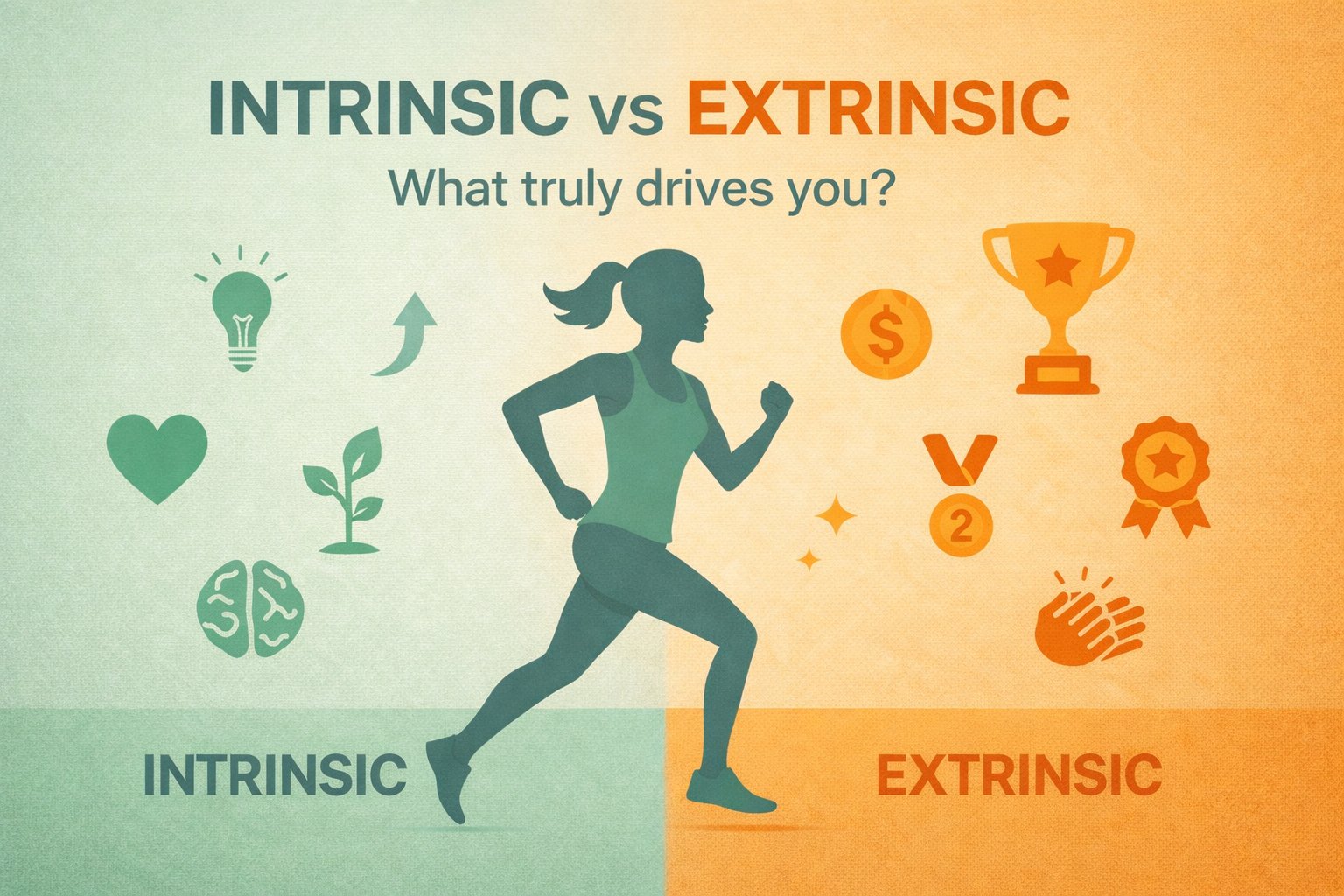
The biggest misconception about New Year's resolutions is that success depends on wanting it badly enough. In reality, motivation is unreliable. It fluctuates daily, sometimes hourly. Relying on it is like training for a marathon and hoping for perfect weather on race day.
What actually sustains behavior is accountability, social reinforcement, and clear consequences - not willpower. Most traditional fitness plans lack all three:
- No one notices if you skip a workout
- Nothing meaningful happens when you quit
- There's no reason to push through the hard weeks
So people don't. The habit breaks. Time passes. And suddenly, it's January again.
Why We Start Strong… Then Fade
Early wins in January create a false sense of security. Initial success feels like proof that the habit is "locked in." But early wins are often powered by novelty, not consistency. When novelty fades, there's nothing left to carry the habit forward.
The hardest weeks aren't in January. They arrive sooner or later... but they always arrive. When the excitement is gone and the goal still feels far away, that's where most systems fail people.
What Successful Habit Systems Do Differently
The most effective behavior-change systems make progress visible, introduce social accountability, add real stakes, and focus on consistency rather than intensity. This is exactly where group-based challenges outperform solo goals.
When your progress affects others, and theirs affects you, showing up matters more. When something is on the line, skipping feels different. When the goal is small but consistent, it's sustainable.
"People don't fail because they don't know what to do. They fail because there's no salient reason not to quit."
Why PayBack Fitness Exists
PayBack Fitness was built around a simple insight: people don't fail because they don't know what to do. They fail because there's no compelling reason not to quit.
PayBack Fitness flips that dynamic. Instead of relying on motivation, it creates structure. You compete alongside real people. Weekly goals are clear and attainable. Missing a goal has immediate consequences, your PF Points (worth $1 each, redeemable as gift cards) are redistributed to those who stayed on track. Hitting a goal is immediately rewarded. No gimmicks. No extreme programs. Just consistent pressure building consistent habits.
A Better Resolution for This Year
Instead of promising yourself perfection, try something different. Don't aim for all-or-nothing. Don't rely on motivation alone. Don't do it alone.
Aim for consistency with accountability. Because the real goal isn't crushing January... it's still showing up in March. And April. And beyond.
If you're done paying the price for broken systems, it's time to get PayBack.
The resolution isn't the problem. The system is. Build one that actually works.
Start Your First Block →