I have a confession to make.
Before PayBack Fitness existed as an app... before the PF Points system, before the iOS and Android builds, before any of this, I ran a series of private fitness competitions out of what I can only describe as professional frustration.
As a neurologist, I knew the importance of exercise. Study after study has demonstrated its effects on brain health, mood, cognition, and longevity. I counseled patients on it regularly. And yet I kept watching the same pattern play out in my own life and in the lives of people around me: we'd start strong, lose steam, and quietly stop. Motivation would spike, then fade. Over and over again the cycle would restart.
I wasn't looking to build a company. I was looking for an answer for myself.
The Experiment
The premise was simple. A small group of friends and family agreed to compete in a ten-week $100 fitness challenge: work out 4 days per week, for at least 15 minutes per workout. Miss your goal for the week, and $10 of your entry contribution was redistributed to those who hit their goal. Hit your goal while others missed, and you earned back more than you put in.
Real stakes. Real money. Real consequences. Every. Single. Week.
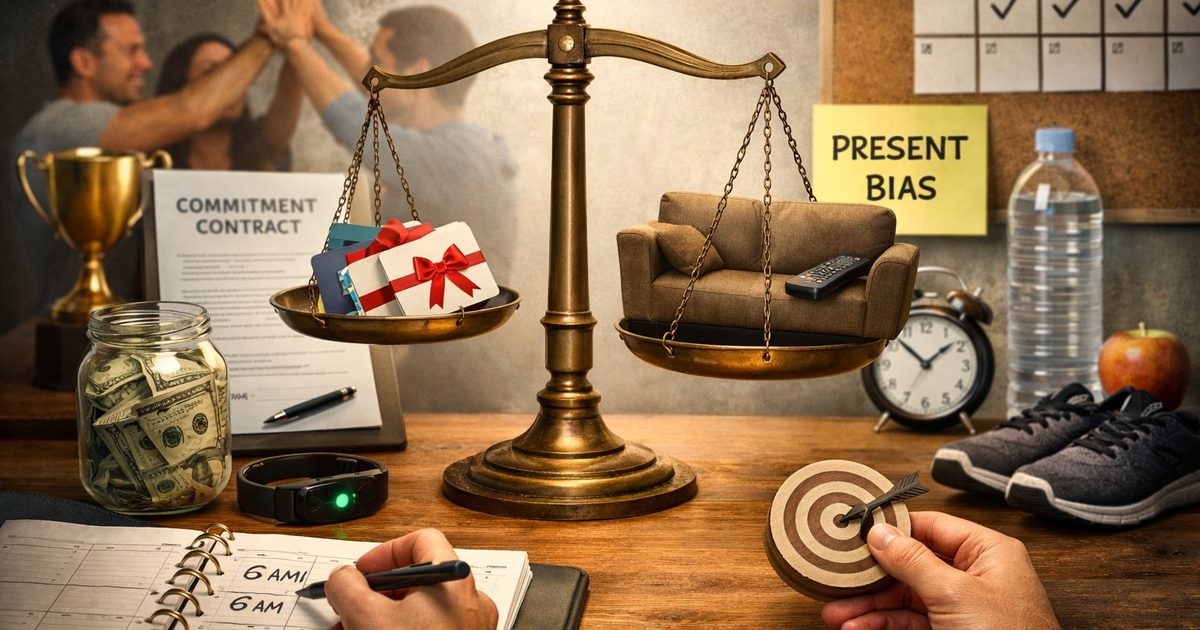
This was a private experiment among consenting adults, not a product, not an app, and not a wager in any conventional sense. The outcome was not chance-dependent. Success depended on behavior: whether they completed their workouts. It was a commitment contract: a behavioral economics tool with decades of peer-reviewed research behind it.
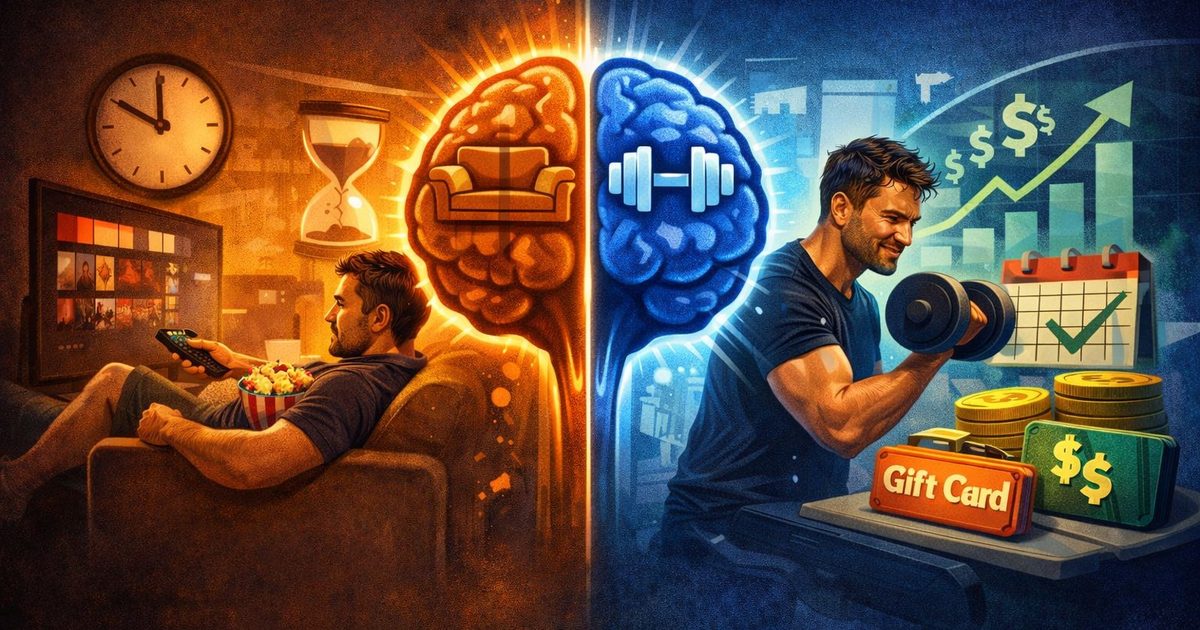
The idea was straightforward: if I could make the cost of skipping a workout immediate and tangible rather than abstract and distant, would behavior actually change?
It did. Dramatically.
What the Data Showed
Over the following years, I ran multiple iterations of these private competitions. Across nearly 5,000 logged workouts and multiple groups, a pattern emerged that was impossible to ignore.
Not five percent. Five times. Participants who had gone weeks or even months without working out were suddenly hitting the goal week after week. People who had struggled for years to build a consistent routine were doing it within days of the first competition starting.
I want to be brutally honest though: it did not work for everyone. It worked for the vast majority; for a select few, $100 did not have the same impact. Otherwise, the effect held across age groups, fitness levels, and life circumstances. It didn't matter whether someone was a former athlete or had never set foot in a gym with any regularity. The structure worked.
"But here is the finding that surprised me most, and the one that ultimately drove me to build PayBack Fitness as a proper product: the habit was real, but it was system-dependent."
The Finding That Changed Everything
When participants stepped away from the competition for perfectly normal reasons (a new baby, a work crunch, travel, injury), their workout frequency dropped. Not always immediately, and not always all the way back to baseline. But the erosion was measurable and consistent.
And when they rejoined? Consistency rebounded, often within the first week.
I watched this cycle repeat across enough people and enough time that I stopped viewing it as individual weakness. This wasn't a character flaw. It was a pattern. A predictable, system-dependent pattern that the research in behavioral science had actually already predicted; I just hadn't seen it play out at this scale before.
What This Told Me About Habits
Most of us have absorbed the idea that habits, once built, are essentially permanent. That if you just push through the first 60 or 90 days, you've "unlocked" a new version of yourself that will keep showing up.
My data told a more complicated story.
Habits are not trophies. They are patterns that become likely under certain conditions, and less likely when those conditions disappear. When the competition ended, the cues weakened, friction returned, and the default behavior began to reassert itself. This is entirely consistent with what habit researchers call cue-dependent behavior, and it has significant implications for how we think about fitness programs.
"The goal isn't to build a habit once. It's to build a system you're willing to rejoin. Habits are subscriptions that you must continuously renew."
Why I Built PayBack Fitness & Why It Looks the Way It Does
When it became clear that the private competitions were producing results I couldn't replicate with any other approach, I started thinking seriously about how to make this accessible to more people.
That process led directly to a question I hadn't anticipated: how do you build a commitment-based fitness system within the guidelines of major app platforms?
The answer shaped the entire architecture of what PayBack Fitness became. Rather than a direct cash competition, which raises legitimate questions about classification under gambling regulations and platform policies, we built around PF Points: a reward currency where every point is worth exactly $1 in gift card value, redeemable instantly across 200+ brands and 50 charities. One point, one dollar. No fees. No house edge. No ambiguity.
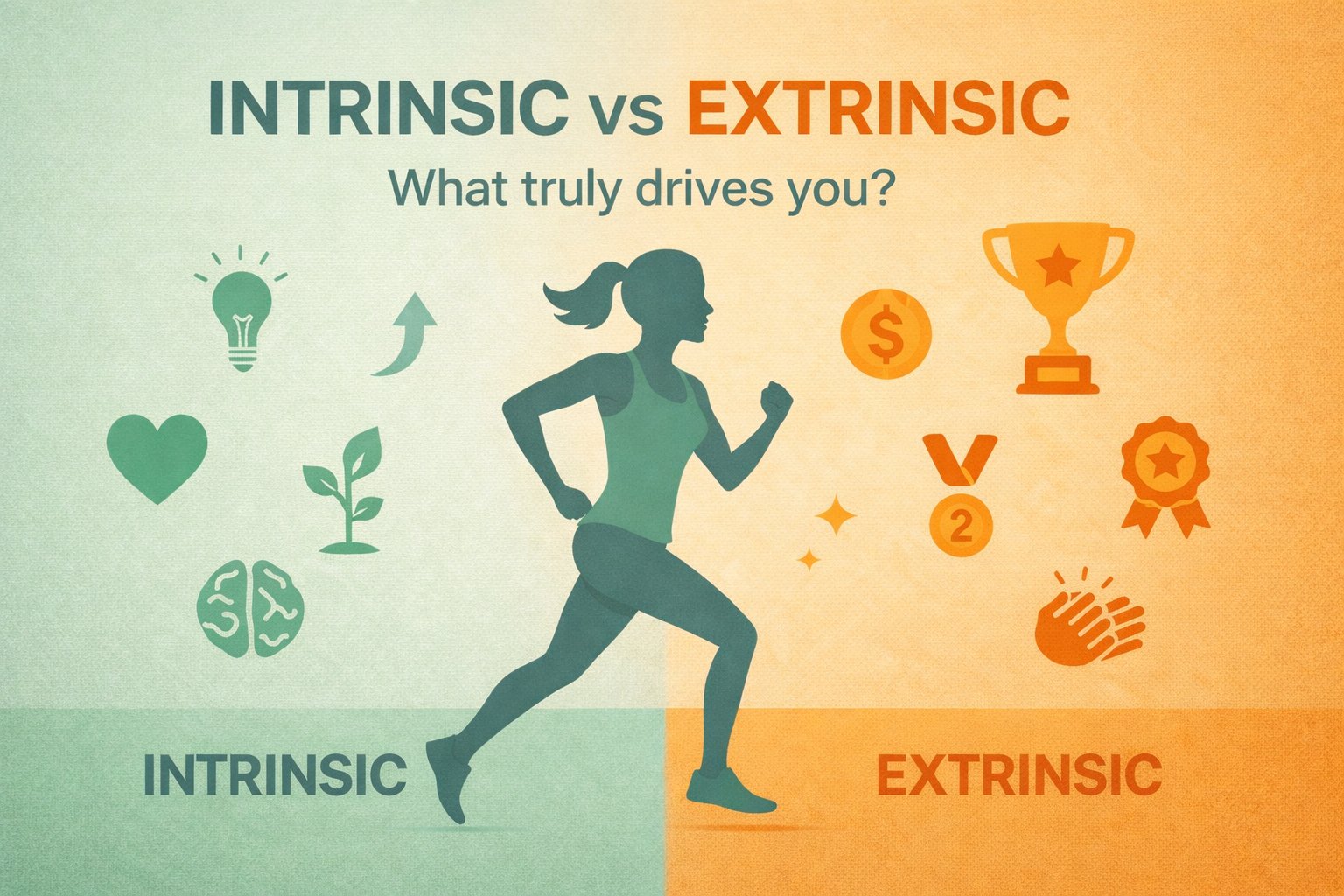
This distinction matters, and not just for compliance reasons. It also changes the psychology in a subtle but meaningful way. PF Points are earned through consistency. They accumulate visibly. They feel like something you've built, because you have. That's a different psychological experience than winning money in a competition, and it turns out to be a better one for long-term habit formation.
PayBack Fitness does not profit when groups fail. If no one hits their goal in a given week, we credit everyone their points. Our incentives are aligned with yours: your consistency is what makes this work, and we built the business model to reflect that.
What We've Seen Since
Since launching the app, we've watched the same behavioral patterns from my original experiments play out at scale. Members who engage consistently report dramatic improvements in workout frequency. The accountability loop works. The immediate reward structure works. The group dynamics work.
We've also seen the same pattern of contextual drift; life interrupts, consistency drops, and then members rejoin a new competition and rebound quickly. We no longer treat this as a failure of the system. It is the system working. Each new competition is a fresh commitment, a renewed context, and a reminder that the goal was never to build a habit once. It was to build a structure worth returning to.
The Honest Bottom Line
I didn't set out to run an experiment. I set out to solve a problem I was living inside of, that I watched my patients living inside of, that I suspect you've lived inside of too.
The data from those early competitions changed how I think about fitness, about habits, and about what people actually need to stay consistent. Not more information. Not better intentions. Not a shinier app with more features.
A system with real stakes, real accountability, and real rewards. A system that makes showing up the obviously better choice, week after week.
That's what we built. And the data, from the beginning, told us it works.
Ready to put a system behind your consistency? Join a Block and experience the difference real stakes make.
Start Your First Competition →